


News
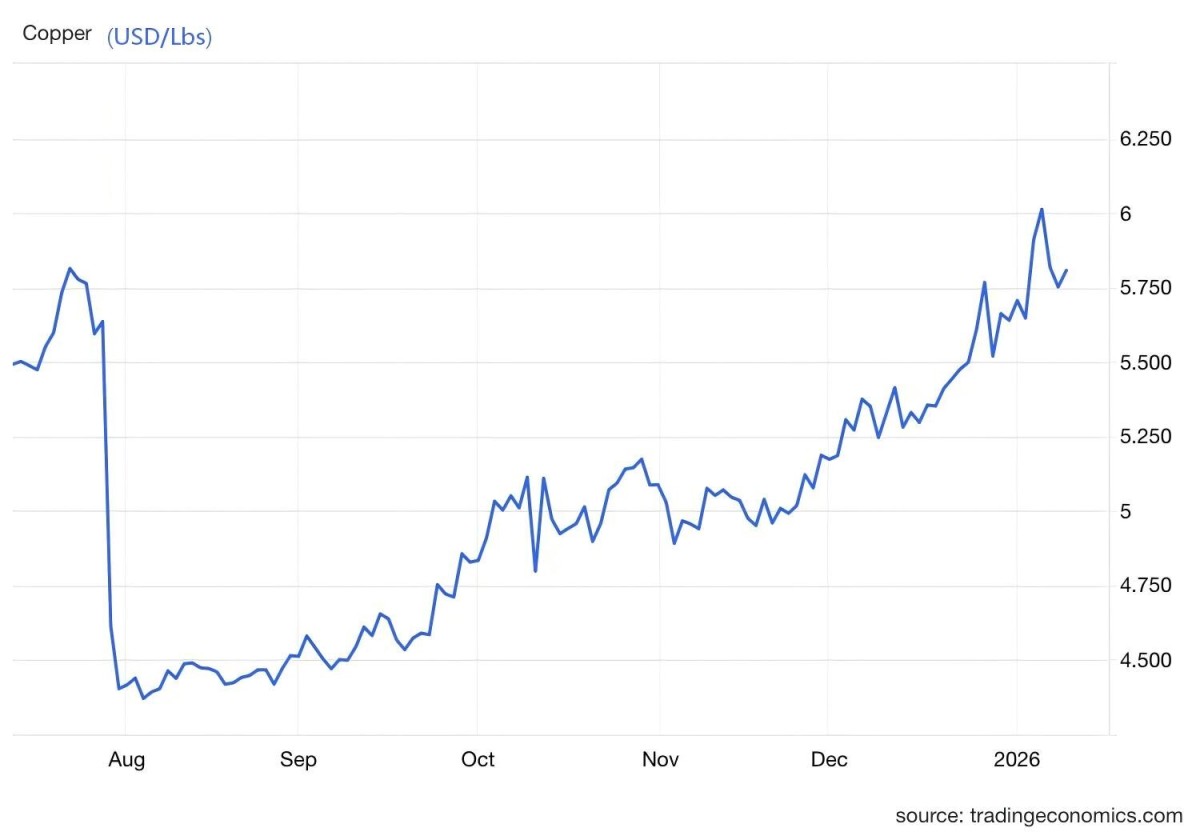
In 2025, the global manufacturing industry's demand for copper will exhibit a significant feature of "structural differentiation": the demand for emerging manufacturing industries represented by "green energy" and "digital economy" will continue to be strong.
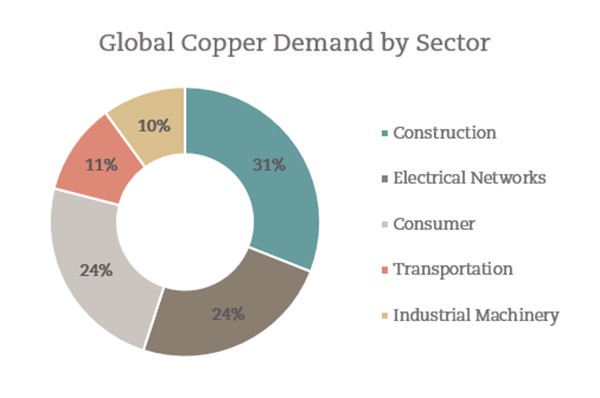
•Demand side
The new economy brings long-term growth--Green energy transformation (electric vehicles, power grid), construction of artificial intelligence data centers.
•Supply side
Realistic shocks and long-term bottlenecks
Major copper mines in Indonesia, Chile and other places have reduced production due to accidents and natural disasters.
The aging of the mine and the severe shortage of new investment have resulted in the inability to keep up with the demand for new production capacity.
•Trade tariffs
The market is concerned that the United States may impose high tariffs on imported copper, leading to a large amount of copper being shipped into the United States in advance for "stockpiling".financial market
The Federal Reserve has initiated interest rate cuts, causing the US dollar to weaken and lowering the cost of holding commodities denominated in US dollars.
•Speculative funds
Based on the narrative of long-term "green transformation" and "AI revolution", a large amount of funds flow into the copper market for allocation.
The copper concentrate processing fee (TC/RC) falling to negative or near zero is a clear signal of tight supply.
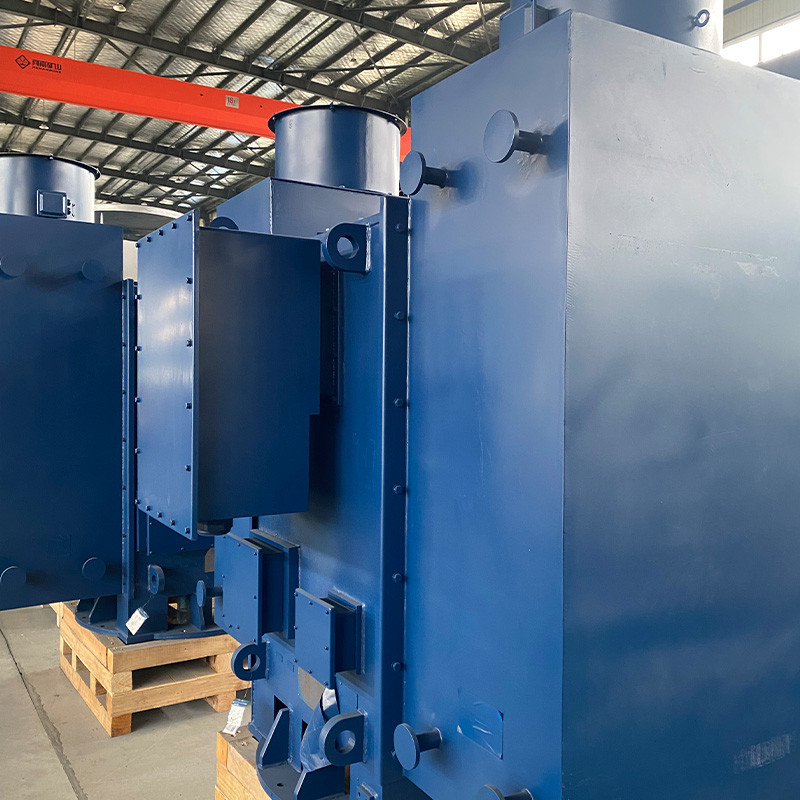
•Citi: The most aggressive forecast suggests that in a bull market scenario, copper prices may reach $15000 per ton in the second quarter of 2026. If this does happen as it says, the cost of high voltage electric motors in 2026 will be at least 15~20% higher than now.
•The World Bank: In its baseline forecast, it also believes that copper prices will further rise in 2026-2027 due to supply constraints and support from clean energy demand.
Overall, the surge in copper prices by the end of 2025 is a concentrated reflection of the "long-term story" (green and AI transformation) encountering "short-term shocks" (mining accidents and policies). Behind it lies not only a real structural supply-demand contradiction, but also significantly amplified by policy arbitrage and financial sentiment.
Awesome! Share to:
WE SUPPORT WHEN YOU IN NEED.
In order to provide you the suitable machine , pls offer below message for us
Get in Touch
*We respect your confidentiality and all information are protected.